
Lincoln County Deed Records by Instrument
The Clerk's online index separates land instruments by type. A deed records a conveyance. A deed of trust secures a loan. A release records that a prior claim on the property has been paid off and cleared. The index also lists plats, assignments, agreements, affidavits, cemetery deeds, church trustees, liens, and foreclosure trustee reports, and none of these categories is interchangeable proof of ownership.
| Deed Type | What It Does | Common Use |
|---|---|---|
| Deed | Records a conveyance and its legal description | Confirm a transfer or follow title |
| Deed of trust | Records security for a loan | Trace an encumbrance with later release |
| Release | Records discharge of a lien or deed of trust | Check whether an earlier claim was cleared |
| Assignment | Records transfer of an interest or right | Follow a recorded party change |
| Plat or trustee report | Records a map or foreclosure sale report | Connect land shape or sale process to a parcel |
A deed and a debt record can share names. Only the deed transfers title. A release closes one recorded claim while the historic entry stays untouched. Plats supply lot and block references. A deed may use metes and bounds instead. The Lincoln County index landing page lists these categories but posts no image fee or online coverage cutoff. The same Lincoln County Clerk's online land-record index is the official starting list for a deed records search.
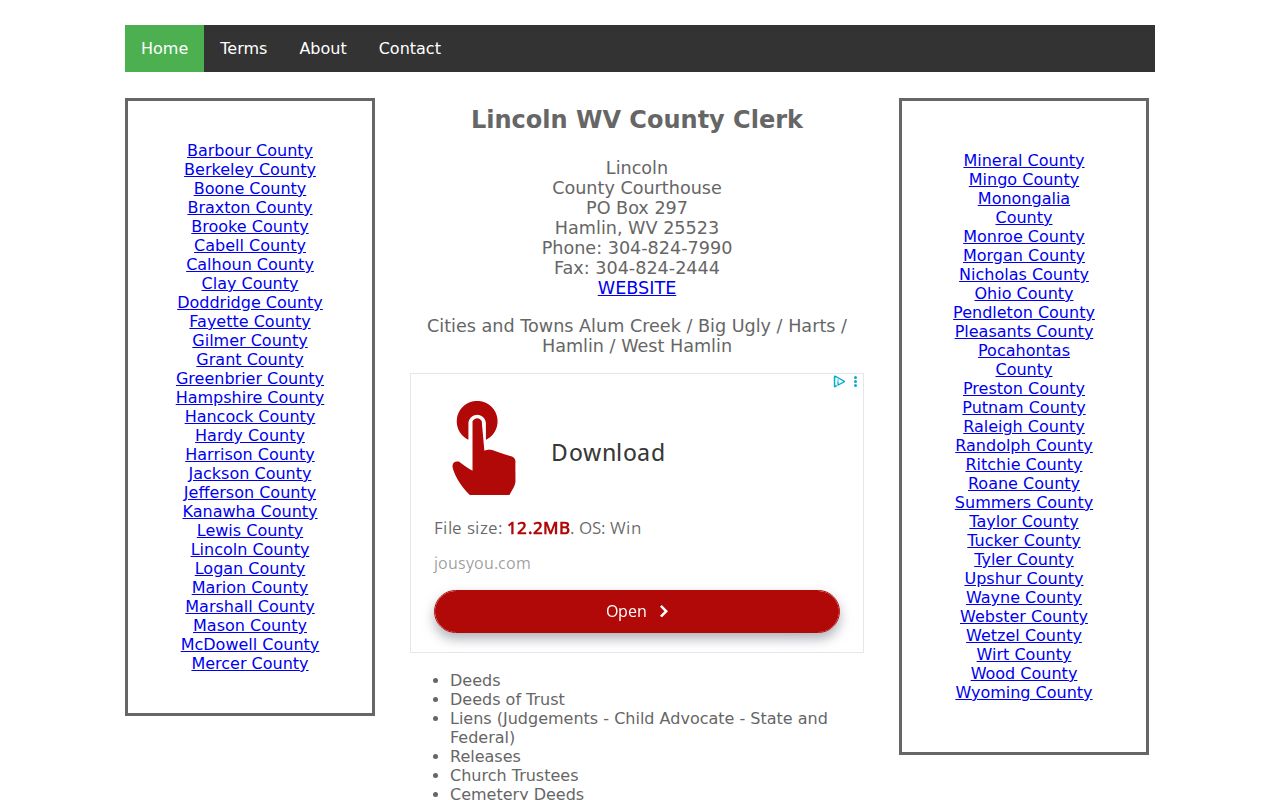
When the category list alone cannot pinpoint the document, write down the party names and the full parcel description first. Then ask the clerk to pull the record.
Lincoln County Index and Copy Access
The Lincoln County portal lists recording categories. But it does not state an index cutoff, a result cap, an image fee, or a subscription rule. A zero result does not prove no instrument exists, and not every image is free. Call the recording office at 304-824-7990, ext. 233, for the current method and copy terms. A counter search still helps when an online query misses a name or an old legal description. The clerk can check the grantor and grantee sides. The clerk can also check a recording date, book and page, document number, or parcel reference. A focused request should include the parties, approximate year, property description, and the format needed. The office mailing address is PO Box 297, Hamlin, WV 25523; the portal does not state certified-copy charges.
When no online match appears, vary the name form. Widen the date range before treating the search as complete. A prior owner may appear under initials, a spouse's later surname, a trustee capacity, or an entity name. The County Clerk's land index lists categories such as liens, releases, assignments, agreements, affidavits, cemetery deeds, church trustees, and plat maps. So a property question may require more than the deed category alone. Ask which reference fields the clerk needs to retrieve the image and whether a plain or certified copy is available. Public access is subject to West Virginia's Freedom of Information Act and applicable exemptions. But a routine deed search is handled through the recording office's own index and copy process. Confirm response deadlines and fees directly, and keep the exact document number or book and page in your notes.
The West Virginia Freedom of Information Act inspection-and-copying section explains the public-record framework. It applies to government-held Lincoln County deed records, subject to statutory exemptions.
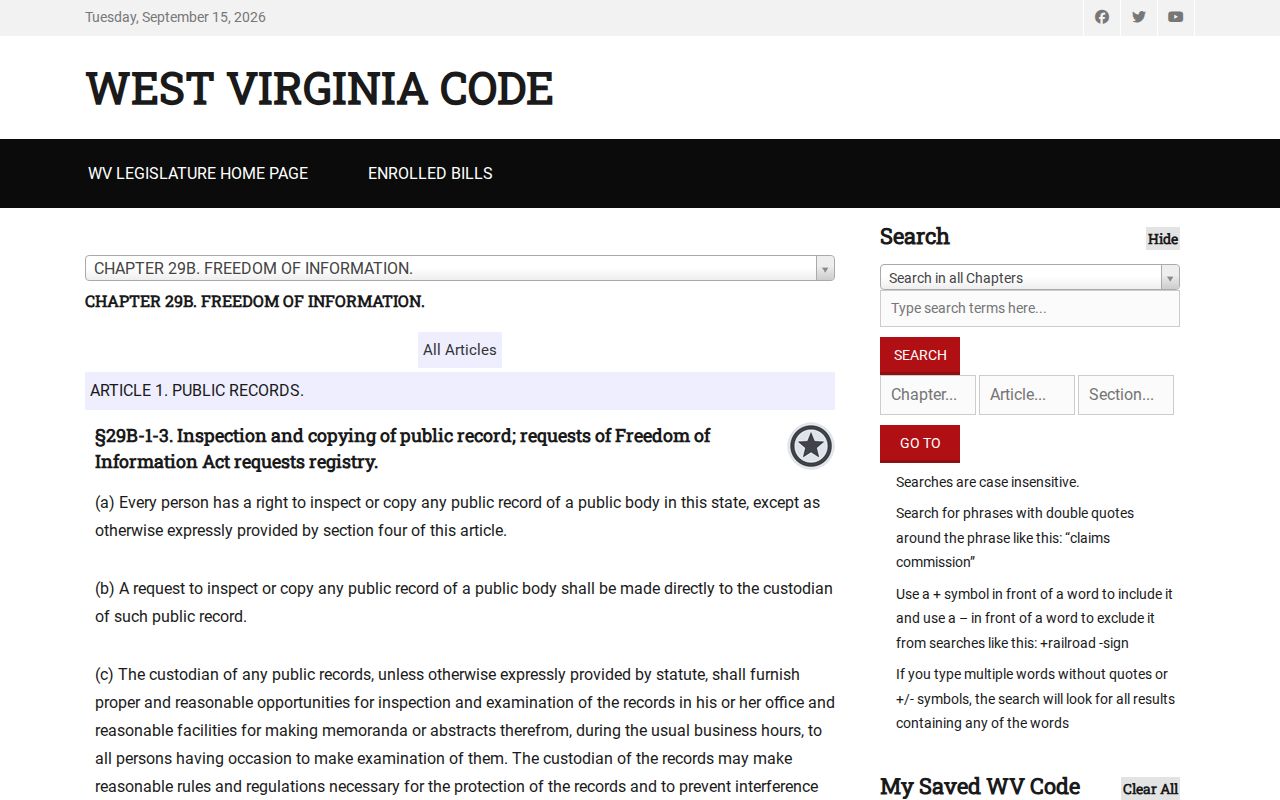
The statute frames access only. The County Clerk still supplies the instrument, the copy terms, and any record-specific explanation.
Reading the Lincoln County Grantor-Grantee Index
Trace a Lincoln County deed chain backward. Start with the latest grantee, then search that person as a grantor in the next earlier transfer. The grantor gave up an interest. The grantee received it. Search both name directions, because initials, spelling variants, married names, company names, and trustee roles can split one chain across entries. Keep the legal description beside the names so a same-name result never drags the search onto another tract.
- Search the current grantee name and locate the deed for the parcel.
- Read the grantor, legal description, date, and book/page or document reference.
- Search that grantor as a prior grantee and compare the same land description.
- Repeat until the available index ends, then move to deed books and reconstructed records.
- Grantor
- The party who conveyed an interest in the instrument.
- Grantee
- The person or entity that received the interest.
- Chain of title
- The linked set of transfers for the same land over time.
- Book/page or document number
- A reference the clerk uses to locate the recorded instrument; the portal’s exact display fields were not verified.
Lincoln County’s Fire and Older Deeds
Fire destroyed the courthouse in 1909. Lincoln County's land records to that point were lost. FamilySearch fills much of the gap. Its catalog lists deed books for 1825–1910, grant books for 1854–1929 and 1967, and indexes spanning 1825–1968. It also holds Commissioner's records of destroyed title papers from before 1909. Those three volumes were reconstructed between 1910 and 1914. The Lincoln County FamilySearch catalog is the finding aid. Some images may require a FamilySearch Center, a library, an account, or remain restricted by the record agreement. Start with the county's modern index, then ask the clerk or an archive about the older books and reconstructed papers.
Lincoln County Deed Book Date Runs
Deed books span 1825 to 1910. Grant books cover 1854 to 1929 and 1967. The indexes reach from 1825 to 1968. These cataloged dates are leads rather than guarantees, since image availability varies by item and the County Clerk states no online cutoff.
Build your plan around those spans. Start with the deed you already know. Record its grantor, grantee, parcel wording, and book reference. Then work backward through the catalog for the earlier period. When a book is closed to home viewing, a local library or FamilySearch Center may open it. A tract that predates Lincoln County's 1867 creation from parts of four neighboring counties may sit in an earlier county's records once this local trail ends.
The Lincoln County FamilySearch catalog links each deed and grant-book series to its access notes.
The date list helps you pick the next source. The item-level note, however, decides whether a scanned page is actually open to view.
Lincoln County Estate Deed Transfers
Estates complicate a deed chain. A representative or heir may stand between two individual names in Lincoln County land records. Probate begins with an appointment through the County Clerk. A will filing needs the original will, beneficiary contact details, and photo ID. It also needs any bond the will does not waive. An intestate estate requires a bond instead. Staff also expect an heir contact list and the proposed administrator's photo ID. These rules govern probate entry, not deed indexing.
Use the estate file to explain why an executor, administrator, heir, or estate buyer appears as grantor or grantee. Then find the later instrument in the recording index. The County Clerk's probate and recordings page covers the appointment route. The modern deed entry remains the recorded proof of the land transfer.
Lincoln County Foreclosure Instruments
Recording categories include trustee reports of sale and liens. The court file may hold the complaint, lis pendens, order, and any redemption dispute. Lincoln County shares the 25th Judicial Circuit with Boone County. WVPASS offers circuit documents back to 1999. Registration is free, and downloads carry a small charge. The exact charge and search fields are not published.
Use the state court-access page to reach the circuit and magistrate tools. Older or restricted matters may need a clerk request. Match the case by party names and legal description, then check the County Clerk for the land instrument. A docket entry alone proves no deed change. The Judiciary's statewide court-access page is the route to circuit documents that can explain a Lincoln County foreclosure record.
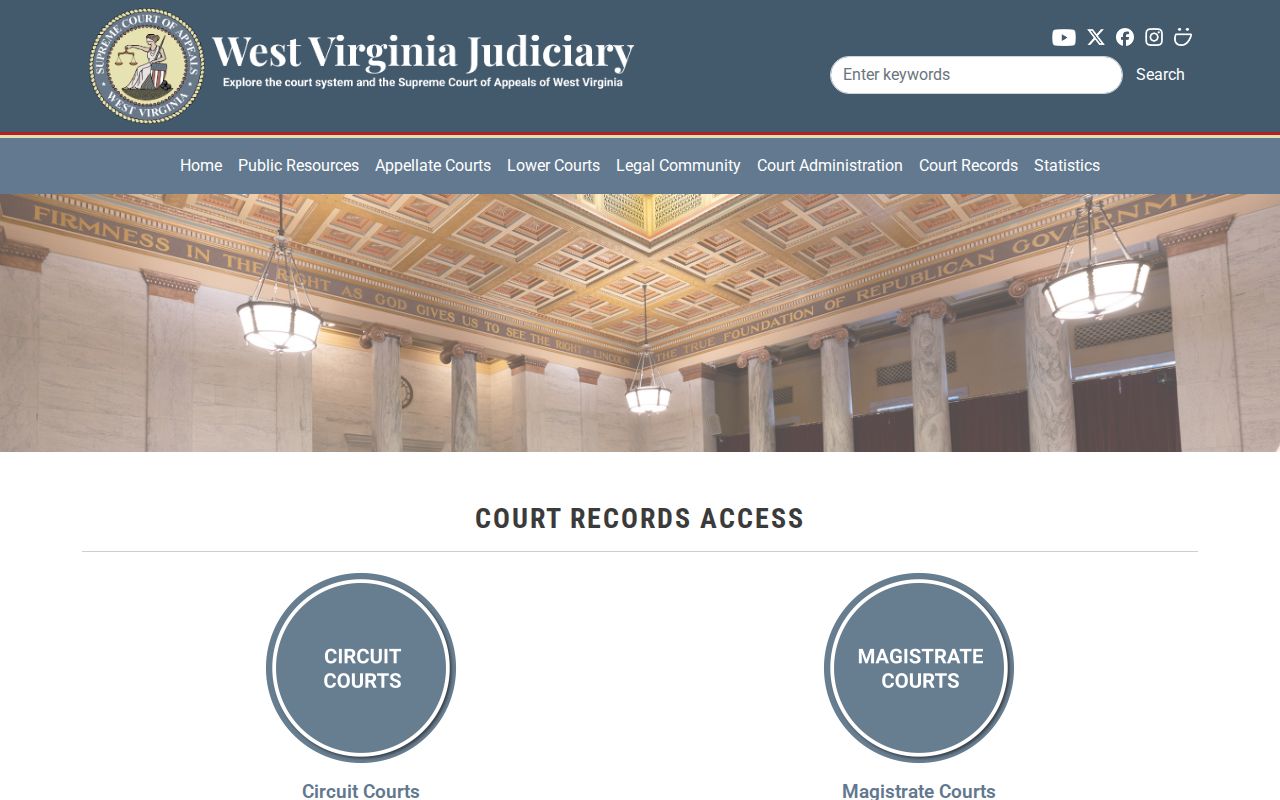
Treat party names and the case number as leads. Then confirm the recorded sale report or deed with the County Clerk.
Requesting a Lincoln County Deed Copy
The web page confirms the index categories. It publishes no image, plain-copy, or certified-copy prices. When the index shows a useful reference, write down the parties, document type, recording date, book/page or number, and legal description. Call the County Clerk next. Ask whether the image is online, whether staff can search an older book, and what the current copy and certification charges are.
A mailed request needs a clear description of the instrument and parcel, the names as recorded, and a return address. Ask the clerk for current fee instructions. The office publishes no mail-copy form or set payment amount. A courthouse counter visit works better when the index omits a field or the deed predates digitized access. Do not send original title papers. Wait for direct instructions from the custodian.
Recorded, not guaranteed. The Lincoln County deed index shows instruments entered in the public record; it is not a title opinion, and an unrecorded interest may not appear. A title professional checks the chain and related claims before a transaction.