
Lincoln County Property Value Types
A Lincoln County property record can hold several distinct figures. There is the assessed value on the assessor's roll. An appraised value, a cost figure, and sometimes a sale amount stated in a deed may appear too. The County Clerk's deed records capture what a transaction claimed. The Assessor's roll applies the state's uniform valuation rule. Always check the source and the date, not just the number itself.
| Value | What It Is | Where |
|---|---|---|
| Assessed value | Value used in the annual tax assessment | WV Property Assessment |
| Appraised value | Assessor’s full-value field shown separately on the parcel card | WV Property Viewer detail |
| Cost values | Cost fields labeled on the parcel card | WV Property Viewer detail |
| Sale consideration | Amount stated in a recorded deed, if disclosed | County Clerk deed index or instrument |
| Land and improvements | Separate components when the assessment card displays them | Assessor detail |
West Virginia sets assessed value at 60% of true and actual value each July 1. A deed tells a different story. Its stated consideration marks one transaction on one day. So it can sit above or below the annual assessment. From the assessed base, the tax bill then applies the account's classification. It also applies any applicable treatment. Bills and payment dates belong to the Lincoln County property-tax page.
Lincoln County 60 Percent Assessment Rule
West Virginia law assesses real property annually as of July 1 at 60% of true and actual value. The state also defines assessed value as 60% of market value after its statewide reappraisal and directs uniform assessment at 60% of the most current appraised value. Lincoln County follows that statewide level. It does not mean the assessor is predicting a sale price at 60% of what a buyer would pay.
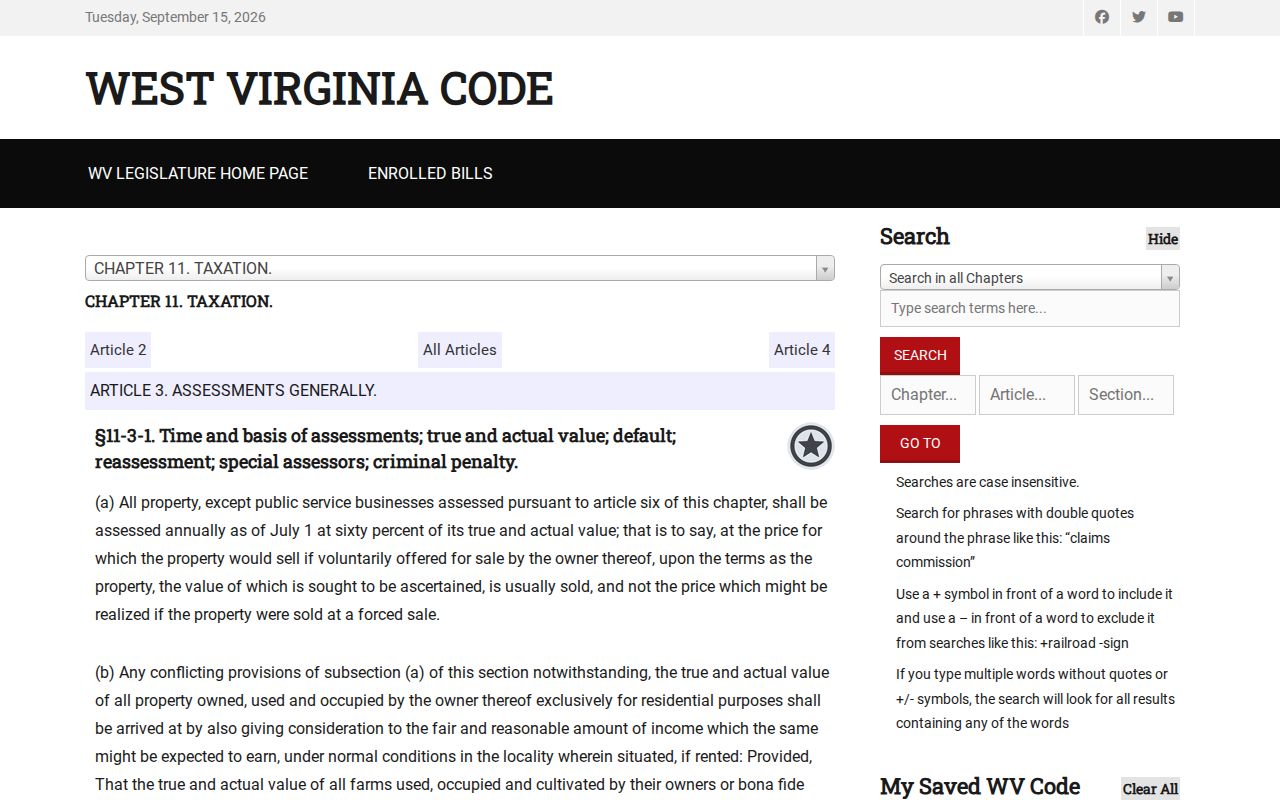
The text of West Virginia Code §11-3-1 gives the July 1 and 60% rule. The Tax Division’s ad valorem guidance explains the assessor’s valuation role. Those sources define the method; the parcel card supplies the Lincoln County figure.
West Virginia Code §11-3-1 sets the assessment level that applies to Lincoln County property values.
Treat the statutory ratio as the key to the assessment base, never as a market estimate for one parcel.
Lincoln County Three-Year Revaluation
West Virginia re-evaluates real property every three years. That cycle matters. A value on a Lincoln County parcel card may reflect the assessor's scheduled review. It may not reflect any recent shift in local sale prices. The county does not publish the last completed cycle year or a schedule for the next one. Ask the Assessor which year your parcel value represents. Use the appraised fields on the parcel card as record values in their own right. Treat the cost fields the same way. Don't assume the cycle refreshes every owner or new parcel line on the same day. Ownership attributes come out in an annual release. Even a simple transfer can lag behind. Timing gaps are normal. The July 1 date is a snapshot for that assessment year alone. The three-year cycle is only the review interval. So a parcel can carry an older comparison point even while sales around it move. Read the deed date before judging a mismatch. When a sale records late in the year, ask the Assessor which valuation year the card reflects. Compare after that.
Finding a Lincoln County Property Value
The state's property assessment hub keeps two tools separate. One is the statewide assessment search; the other is the parcel viewer. Use whichever route fits, whether by address, owner, or parcel number. Once the right Lincoln County card opens, note the parcel number. Also note the value labels and the roll year. One caution applies. A recent transfer may not have reached the annual owner field. So the displayed owner of record is not proof of the latest sale.
- Search the parcel by E-911 address, owner name, or parcel number.
- Open the detail card and copy the parcel ID and description.
- Read the cost and appraised value fields separately from the assessed value.
- Check the deed for a recorded consideration if a transaction amount is needed.
- Assessed value
- The annual value used as the assessment base.
- Appraised value
- The full-value field the Assessor shows separately from assessed value.
- Assessment ratio
- The statewide 60% level used for assessed value.
- Consideration
- The amount stated in a recorded sale instrument, when disclosed.
- Revaluation
- The statewide three-year real-property review cycle.
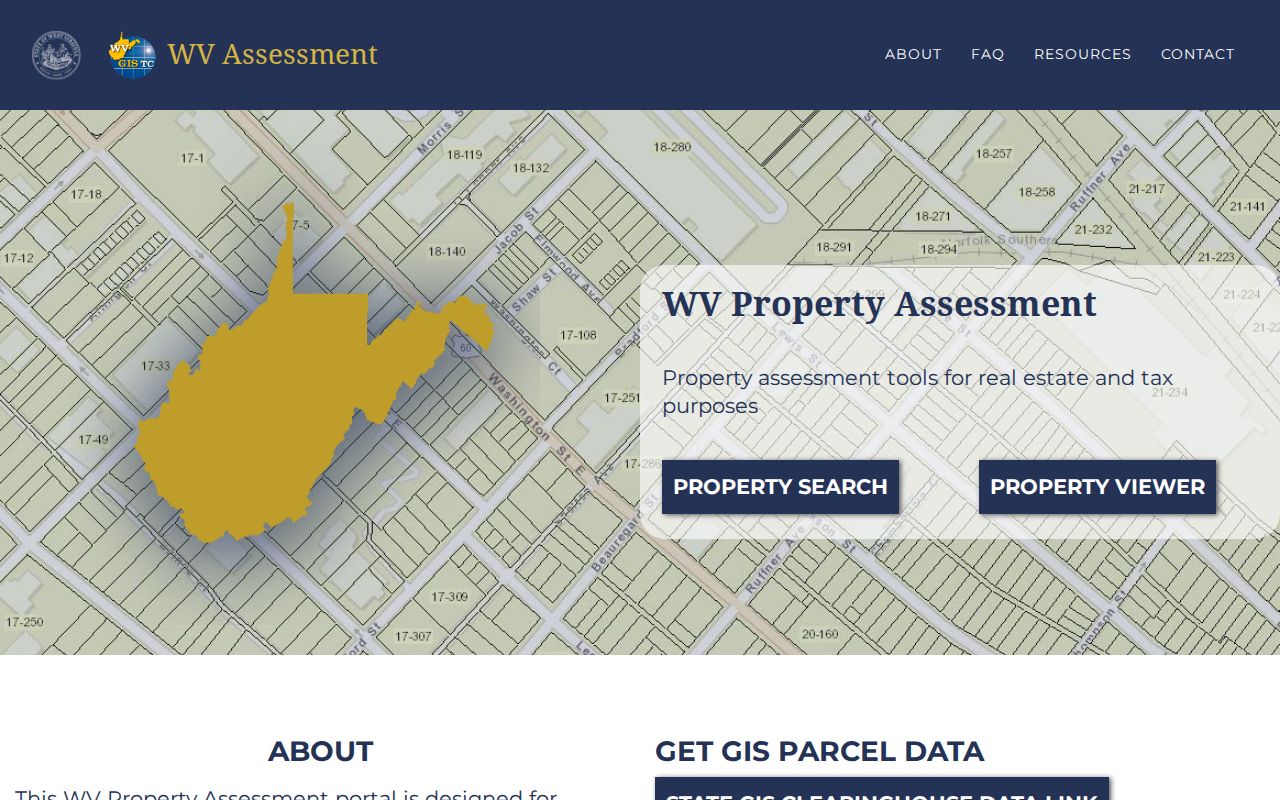
The WV Property Assessment hub shows the statewide search and viewer entry points.
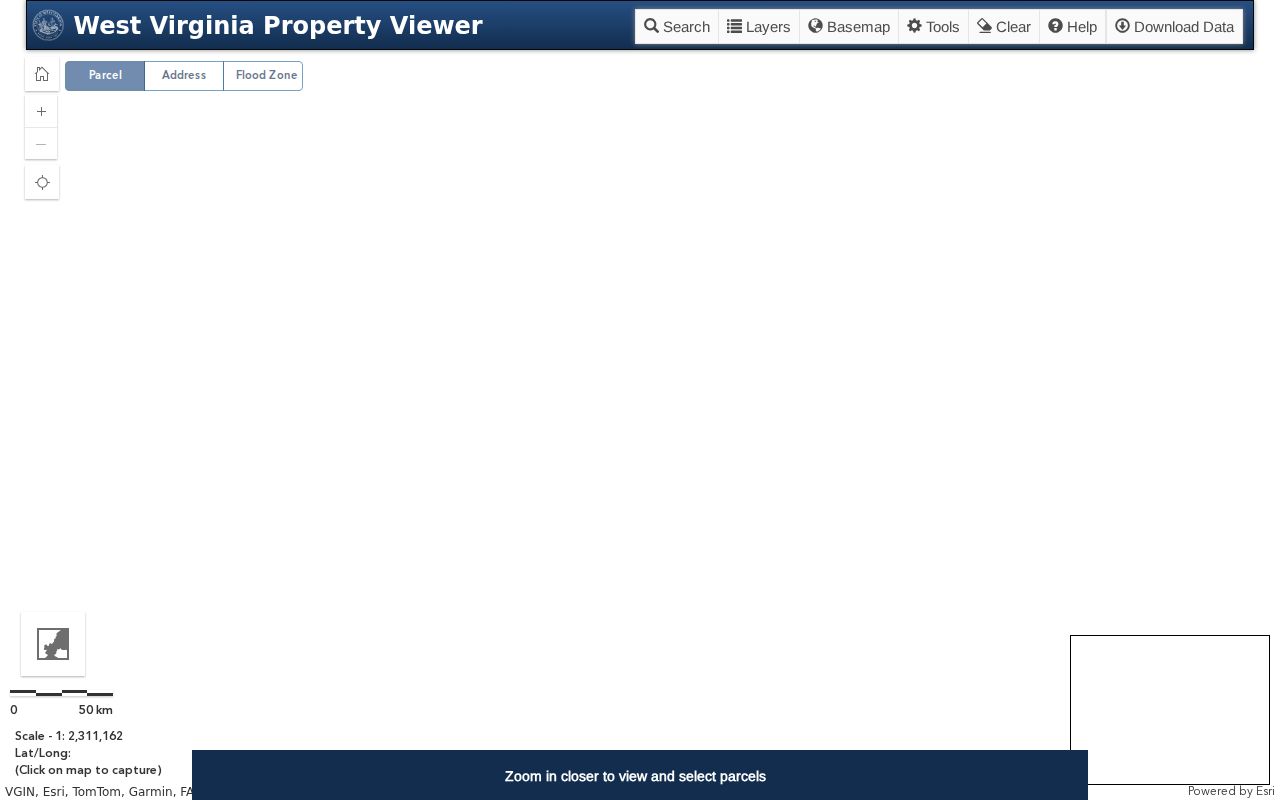
The selected parcel then opens in the viewer with its detail card and labeled assessment values. The WV Property Viewer shows the appraised and cost value fields for the parcel.
Keep the card's value label and release year attached to the amount whenever two records are compared.
Lincoln County Recorded Sale Price
A deed may state the consideration paid for a transfer. That amount answers a different question than assessed value does. The deed captures the parties' recorded deal at one point in time. The assessor's roll follows the statewide method instead. The County Clerk's online page lists deed categories. It does not promise a consideration field on every result. When the amount matters, inspect the instrument itself. After a recent purchase, compare the deed date and grantee against the annual assessment card. The statewide viewer warns that a simple ownership change may not reach the annual release right away. A gap between deed and roll is often just timing. It is not evidence of a new appraisal. A recorded consideration earns its keep only when tied to the right instrument and parcel. Family transfers can distort it. So can multi-parcel deeds and partial interests. Those situations make a deed amount a poor yardstick for a single home. Read the conveyance in full. Ask a valuation professional how the deal relates to today's market. For the county's tax value, the Assessor's roll remains the source, not the deed index.
Lincoln County Land and Improvement Values
A Lincoln County parcel card may list Cost Values, Appraised Values, and building details. Land figures and improvement figures should stay separate wherever the card splits them. Fields for classification or exemption can vary from one parcel to the next. Ask the Assessor which ones apply to a given class or tax district. Do not assume every card carries the same labels.
Corrections follow the record. The Assessor handles fixes to a physical address, parcel description, or owner name. The County Clerk handles a sale price or deed instrument. The value meaning lives in the assessor record. Tax amounts and appeal steps sit with the county tax process.
Building Information is another card category. It is not an inspection report. Cost and appraised fields can draw on different parts of the assessment record. The assessed figure follows the statewide tax ratio. If a component looks off, ask which parcel or improvement description produced it. Ask whether a correction request fits. Keep the card year and parcel number handy when you call.
Lincoln County Deeded Acreage and Value
A map's acreage is only an estimate. State law treats the deeded acreage in the recorded deed as controlling for assessment. The gap matters most on rural Lincoln County parcels. There, a metes-and-bounds description or a creek call can differ from the GIS-calculated area. A number on the tax map is not a survey result. It is not a valuation fact either.
Set the deeded acreage, the parcel card, and the map geometry side by side. If they disagree, ask the Assessor how the tax-map figure was calculated. A licensed surveyor is the right person for a boundary measurement. The map tells you where the parcel sits. The deed supplies the recorded land description.
Limits of Lincoln County Property Value
The assessor's number is a mass valuation built for tax administration. It is not an appraisal for a sale or a loan. A recorded consideration is not a market estimate. A GIS acreage figure is not a value either. Any figure can also lag behind a recent transfer or a parcel change. So treat each number as a snapshot tied to its own record type, date, and parcel identity. Lincoln County property records become far more useful when those details travel with the number itself.
For fair comparisons, hold the tax year, property class, district, and parcel size consistent wherever those fields appear in the records. The land-versus-improvement breakdown should stay consistent too. A handful of nearby parcels does not make a countywide trend. The county publishes no verified neighborhood trend series. It offers no Hamlin-only sales table either. Use a licensed appraiser for a market opinion. Use the Assessor for the official taxable value on the tax roll.
Value versus price. A Lincoln County assessed value is set for taxation and does not show what a property will sell for. A licensed appraiser provides a market appraisal for a transaction.